
Prime Highlights
- The UK NHS emphasizes that atorvastatin is generally safe and effective, helping prevent heart attacks, strokes, and other circulation problems.
- Patients are warned not to stop taking the medicine without consulting a GPand to seek advice if side effects become problematic.
Key Facts
- Cholesterol levels typically drop within four weeksof starting atorvastatin, making it one of the most commonly prescribed statins in the UK.
- Common side effects affect more than 1 in 100 people, including headaches, digestive issues, and cold-like symptoms, while rare serious reactions need urgent medical attention.
Background
The NHS has released important guidance for people taking atorvastatin, a popular medicine used to lower cholesterol, as millions rely on the drug to reduce the risk of heart attacks and strokes.
High cholesterol is a serious health problem. It makes fatty deposits build up in blood vessels, narrowing and hardening them. This slows blood flow and raises the risk of heart disease, stroke, and poor circulation in the legs (peripheral artery disease). Over time, it can also increase blood pressure and damage the kidneys.
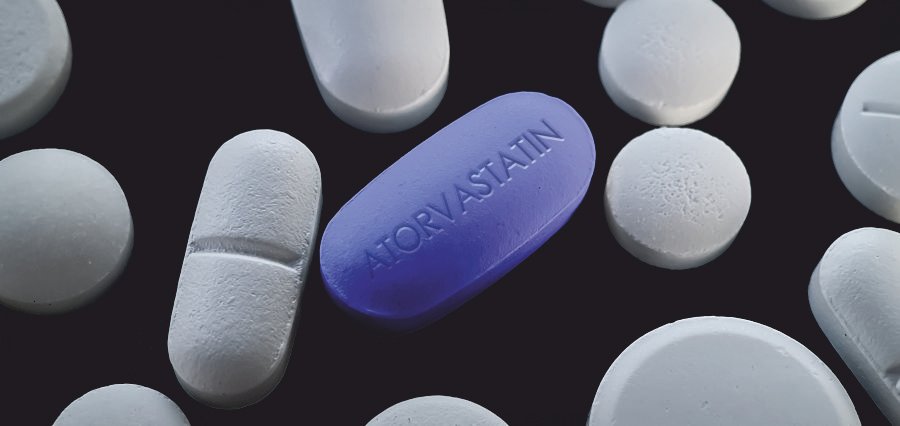
Atorvastatin is one of the most commonly used statins to lower cholesterol. The NHS says most people handle it well and often see their cholesterol drop within four weeks of starting the medicine.
However, some people may experience common side effects. These include nausea, indigestion, headaches, sore throat, cold-like symptoms, constipation, diarrhoea, and nosebleeds. The NHS says these effects usually appear in more than one in 100 people and often ease as the body gets used to the drug.
Doctors advise patients not to stop taking atorvastatin without medical advice. If side effects become uncomfortable, patients should speak to their GP, who may adjust the dose or suggest a different medicine. Drinking too much alcohol can raise the risk of side effects, especially liver problems.
The NHS has warned about rare but serious symptoms. Call a doctor right away if you get unexplained muscle pain or weakness, yellow skin or eyes, severe stomach pain, trouble breathing, rashes, or if your arms or legs feel weaker.
Health experts say the benefits of atorvastatin usually outweigh the risks, as the drug helps prevent life-threatening heart and circulation problems.